BBL is a body contouring surgery in which the volume and shape of the buttocks are improved using the person's own fat tissue. In the procedure, excess fat is first removed with liposuction from certain areas of the body (such as the abdomen, waist and back); this fat is then processed and injected into the buttocks. In this way both the donor area is slimmed and the hip-to-waist ratio is balanced. In BBL, the person's own fat is used, not an implant.
How is BBL performed?
The procedure consists of three basic stages and is usually done in a single session: first, fat is removed from suitable areas with liposuction; the harvested fat is prepared; finally, it is injected into the buttocks in a controlled way and into the correct, safe plane. The aim is not an exaggerated volume, but a balanced contour in harmony with the body overall.
Who is it suitable for?
People who have enough fat reserves in their body for transfer, have largely stabilized their weight, are in suitable general health and have realistic expectations can be evaluated. Very thin people may not have enough fat. Suitability is determined by considering body structure, fat distribution, skin quality and general health together.
Is the result permanent?
Part of the transferred fat is absorbed by the body and part settles permanently. A partial decrease in volume in the first months is normal; the settled result becomes apparent within a few months. The fat that settles is permanent, but significant weight gain or loss can also affect the result. For this reason, a stable weight helps maintain the result.
Will there be a scar?
Both the liposuction entry points in the donor areas and the injection entry points in the buttocks are very small and placed in hidden areas as much as possible; these scars become indistinct over time in the vast majority of cases. The appearance of the scar also depends on individual skin structure.
What is the recovery process like?
In the first weeks swelling and bruising are normal and a compression garment is worn. During this period it is important to avoid direct pressure on the buttocks; in the first weeks, not sitting directly on the buttocks for long periods and using the recommended special cushion help the transferred fat survive. Most people return to daily life within a few weeks; heavy activities begin gradually. The final result settles over a few months.
An important point regarding safety
The most critical issue in BBL is that the fat is injected into the safe plane (under the skin, not into the muscle). Injecting fat into the wrong plane is associated with the risk of fat embolism, a rare but serious complication. For this reason it is of great importance that the procedure be performed by an experienced physician who knows the anatomy and with a safe technique. A BBL planned in the right hands is carried out observing these safety principles.
Frequently Asked Questions
Is an implant used in BBL?
No. In BBL the person's own fat is used; a buttock implant is a different procedure.
Is the result permanent?
Part of the transferred fat is absorbed and the remaining part is permanent. A partial decrease in the first months is normal; the result settles over a few months. Weight changes can affect the result.
Won't I be able to sit for a while?
In the first weeks it is important to avoid direct pressure on the buttocks; sitting with a special cushion is recommended. This is necessary for the fat to survive.
Will there be a scar?
The liposuction and injection entry points are very small and made in hidden areas; the scars become indistinct over time.
Is BBL safe?
With the correct technique, by placing the fat in the safe plane and when performed by an experienced physician, the risks are reduced. A pre-operative assessment and realistic expectations are important.
About the Author
Op. Dr. Yasemin Aydınlı is a graduate of Hacettepe University English Medical Faculty and completed her specialty training at Ankara University. She is a member of TPRECD and ISAPS and works in aesthetic and reconstructive surgery in Istanbul.
This content is for general information only and does not replace medical advice. Every person is different; suitability and the process can only be determined by a personal examination and consultation.
Related Services
BBL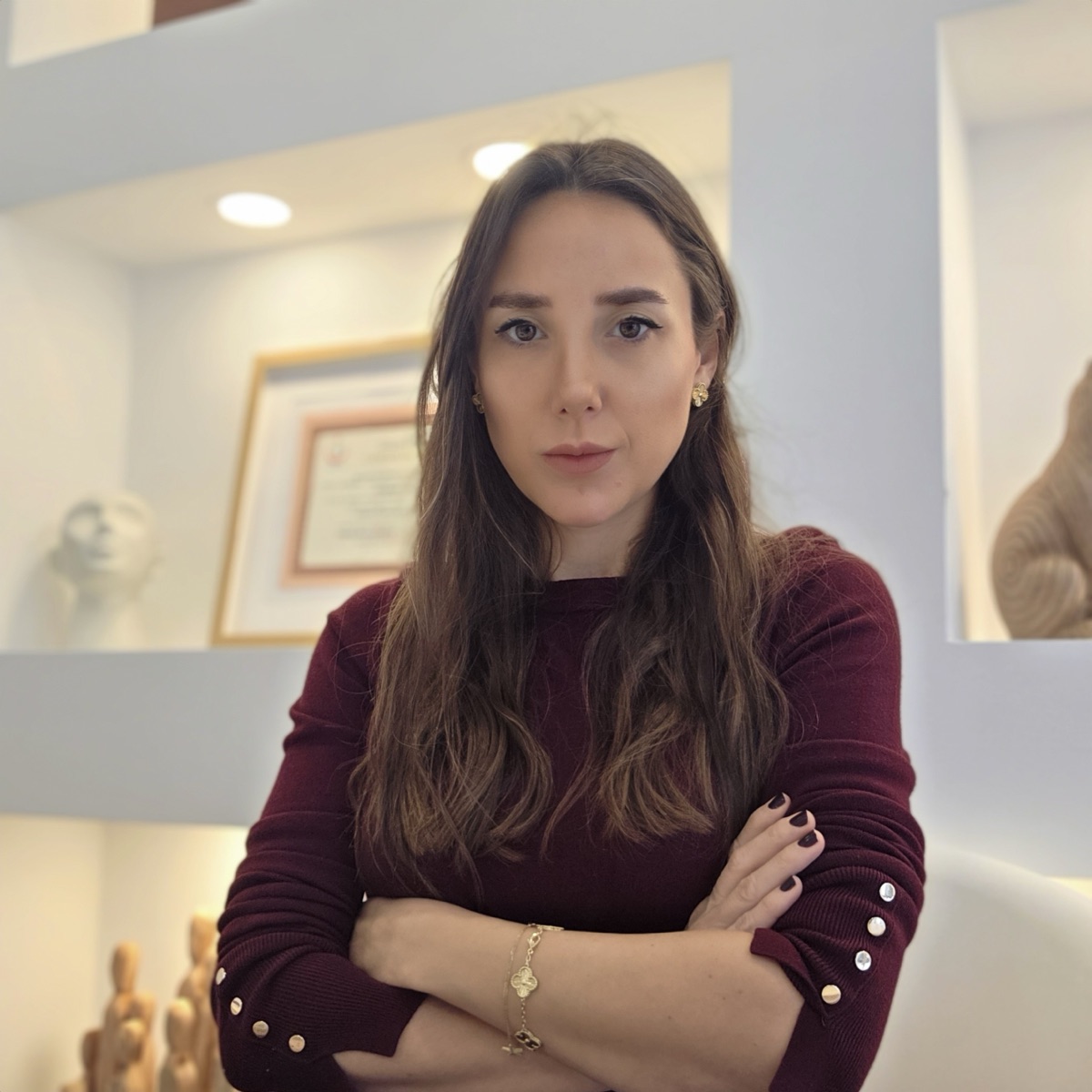
Op. Dr. Yasemin Aydınlı
Plastic, Reconstructive and Aesthetic SurgeonOffers personalized aesthetic solutions with a priority on naturalness and balance.