Botox is a medical aesthetic treatment that temporarily relaxes muscles, used to reduce wrinkles formed by facial expressions. It is not a surgical procedure; its effect is temporary and needs to be repeated at certain intervals. The aim is not to erase expression, but to soften the lines for a more rested appearance.
What is Botox done for?
It is most often used for dynamic (expression) wrinkles on the face: forehead lines, the vertical lines between the eyebrows and the crow's feet at the corners of the eyes are the best-known areas. By reducing the excessive contraction of the muscles in these areas, Botox slows the deepening of the lines. Besides aesthetic use, it can also be used, with a physician's assessment, in some medical conditions (such as excessive sweating or teeth grinding).
How is it applied?
The application is done by injecting small doses into the target muscles with a very fine needle. The procedure is usually short and discomfort can be minimized in most people; it often requires no special preparation or general anesthesia. The dose and injection points are determined according to the person's expression pattern and expectations.
When does the effect start, and how long does it last?
The effect does not start immediately but usually within a few days and fully settles in about 1–2 weeks. Although duration varies from person to person, it lasts on average a few months; when the effect decreases over time, the application needs to be repeated to maintain the result. This is because Botox is temporary by nature.
Will it look natural?
In a well-planned application at an appropriate dose, the goal is not a frozen face but a natural look; expressions are largely preserved and only the excessive line formation is softened. A frozen expression is mostly associated with a high dose or poor planning. For this reason it is important that the application be performed by a physician experienced in this area.
Who should be careful?
Botox may not be recommended during pregnancy and breastfeeding, in some neuromuscular diseases, or if there is an active infection at the application site. For this reason the medical history should be assessed before the application, and the procedure should be performed by a physician. A realistic expectation is an important part of satisfaction.
What should be paid attention to afterwards?
After the application there may be short-lived mild redness or small bruises, which usually pass quickly. Most people return to daily life the same day. In the first hours, not rubbing the treated area and following the simple measures recommended by the physician help recovery.
Frequently Asked Questions
Is Botox permanent?
No. Its effect is temporary and lasts on average a few months; it needs to be repeated at certain intervals to maintain the result.
Will my face look frozen?
No, when done at the right dose. The aim is to soften the lines while preserving expressions; a frozen look is mostly associated with a high dose or poor planning.
Is Botox painful?
It is done with very fine needles and for most people the discomfort is mild; the procedure is usually short.
How often does it need to be repeated?
Because the effect lasts on average a few months, it is reapplied at certain intervals for those who want to maintain the result. The exact frequency varies from person to person.
Will things get worse when I stop Botox?
No. When the effect wears off, the muscles return to their former state; the skin goes back to its pre-Botox condition, not to a worse point.
About the Author
Op. Dr. Yasemin Aydınlı is a graduate of Hacettepe University English Medical Faculty and completed her specialty training at Ankara University. She is a member of TPRECD and ISAPS and works in aesthetic and reconstructive surgery in Istanbul.
This content is for general information only and does not replace medical advice. Every person is different; suitability and the process can only be determined by a personal examination and consultation.
Related Services
Dermal Fillers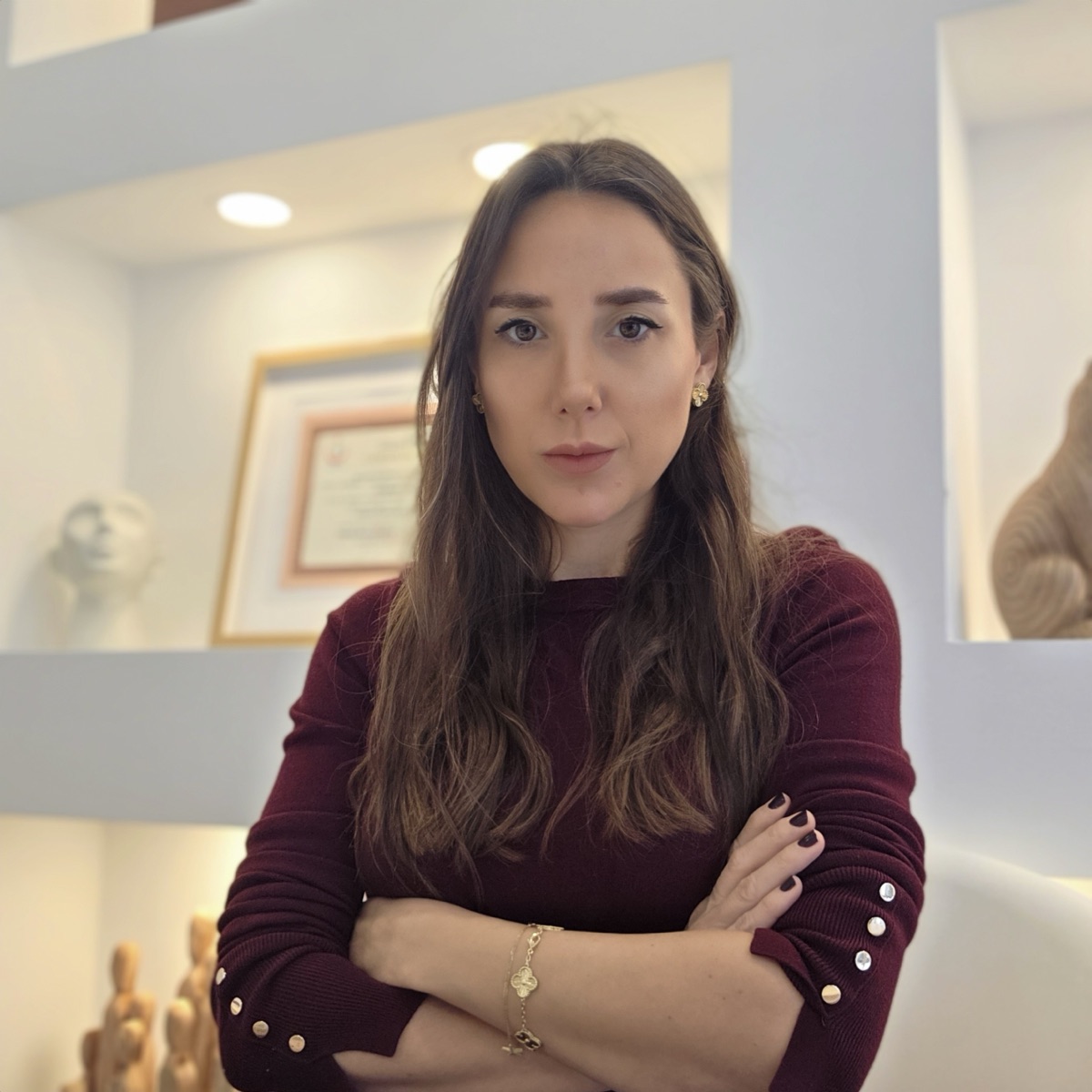
Op. Dr. Yasemin Aydınlı
Plastic, Reconstructive and Aesthetic SurgeonOffers personalized aesthetic solutions with a priority on naturalness and balance.