Eyelid surgery (blepharoplasty) is an operation performed to give the eyes a more rested, refreshed look by reshaping the excess skin, loosened muscle and prominent fat pads in the upper and/or lower eyelids. It can be done for an aesthetic purpose, and it may also come up for a functional reason if sagging in the upper lid restricts vision.
What is eyelid surgery done for?
Over time, the skin around the eyes loses its elasticity, the muscles loosen and the fat pads can become more prominent. In the upper lid this can appear as drooping and a tired, sad gaze; in advanced cases it can narrow the field of vision. In the lower lid it can show up as bags, puffiness and shadowing. Blepharoplasty targets these changes to make the gaze look more rested.
Upper lid or lower lid?
The upper and lower eyelids address different problems and can be planned separately or together. The upper lid procedure mainly targets sagging skin and excess that affects vision. The lower lid procedure is done for bags and puffiness. Which one is appropriate is determined by individual evaluation.
Who is it suitable for?
People who are bothered by sagging, bags or a tired look around the eyes, who are in suitable general health and have realistic expectations can be evaluated. If sagging in the upper lid affects vision, the procedure can also provide a functional benefit. It is important to assess conditions such as dry eye, existing eye diseases or thyroid problems beforehand.
How is it performed?
In the upper lid the incision is placed in the natural crease of the lid, so the scar stays hidden within the fold. In the lower lid there are two approaches: an incision just below the lashes, or a method made from the inner surface of the lid (transconjunctival) that leaves no external scar. The excess skin and, when needed, the fat tissue are reshaped; the fat is not always removed but is sometimes repositioned.
Will there be a scar?
In the upper lid, because the scar stays within the lid crease, it is mostly unnoticeable when the eyes are open and fades over time. In the lower lid, the method done from the inner surface leaves no external scar; in the sub-lash method the scar is hidden along the lash line. The final appearance of the scar varies according to skin structure and healing.
What is the recovery process like?
In the first days, swelling and bruising around the eyes are normal and usually decrease noticeably within 1–2 weeks. The sutures are mostly removed within about a week. Most people return to social life within 1–2 weeks. In the early period, cold application and keeping the head slightly elevated help reduce swelling. The scars fading and the final result settling can take a few months.
Risks and points to consider
Like any surgical procedure, blepharoplasty has risks: temporary dry eye, watering, short-term blurred vision or bruising lasting longer than expected can occur. For this reason, assessing eye health before surgery and having a realistic expectation are important. Blepharoplasty does not stop aging; natural change continues over time.
Frequently Asked Questions
Does eyelid surgery leave scars?
In the upper lid the scar is hidden in the lid crease and is mostly invisible. In the lower lid, the method done from the inner surface leaves no external scar.
Will it affect my vision?
If sagging in the upper lid restricts vision, the procedure can ease the field of view. There may be temporary blurriness in the first days; this usually resolves quickly.
Is the result permanent?
The excess skin that is removed does not come back, but the aging process continues. The result can be maintained for many years; it varies from person to person.
When can I return to work?
Most people return to daily life within 1–2 weeks; the time for bruising to fade varies from person to person.
Do lower-lid bags go away without surgery?
Mild puffiness may partly decrease with certain measures, but pronounced fat bags usually improve with surgery. Suitability is determined by a personal examination.
About the Author
Op. Dr. Yasemin Aydınlı is a graduate of Hacettepe University English Medical Faculty and completed her specialty training at Ankara University. She is a member of TPRECD and ISAPS and works in aesthetic and reconstructive surgery in Istanbul.
This content is for general information only and does not replace medical advice. Every person is different; suitability and the process can only be determined by a personal examination and consultation.
Related Services
Eyelid Aesthetics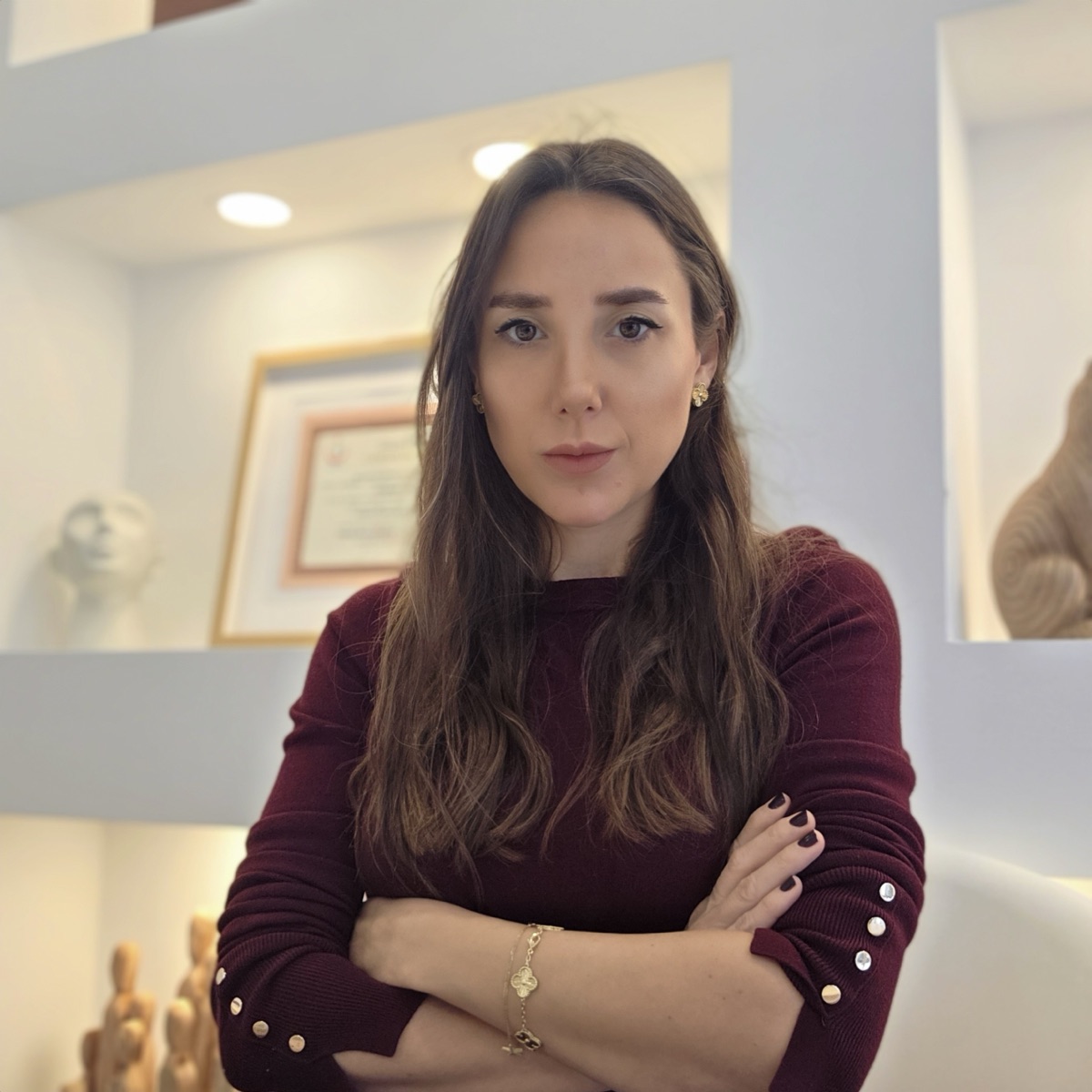
Op. Dr. Yasemin Aydınlı
Plastic, Reconstructive and Aesthetic SurgeonOffers personalized aesthetic solutions with a priority on naturalness and balance.