The effect of mesotherapy is not permanent . The revitalisation and hydration seen after a session usually reach their peak within a few weeks and then gradually diminish over an average of three to six months. The reason is simple: the substances applied are absorbed by the body over time, and the skin carries on ageing from where it left off. In other words, mesotherapy is not a way of "stopping" anything but a maintenance method continued at regular intervals.
Why isn't it permanent?
In mesotherapy, small amounts of ingredients such as hyaluronic acid, vitamins, minerals and amino acids are administered to the skin. These substances are the building blocks of the skin itself, and the body metabolizes them over time—that is, uses and consumes them. No permanent filling is placed, no permanent tissue change is made.
On the other hand, its effect is not entirely "superficial and temporary". With regular sessions, the skin's moisture retention capacity and collagen production are supported; This can make a cumulative difference in the overall quality of the skin over time. But this difference is not preserved when care is abandoned.
How long does the effect last? A realistic timeline
- First days: there may be slight redness and small blisters on the skin; It usually passes within a day or two.
- 1–3 weeks: moisture and shine increase is the most obvious period. This is the time period when most people say "my skin looks rested."
- 1–3 months: the effect is maintained but begins to gradually decrease.
- 3–6 months: the effect subsides significantly in most people. At this point, the maintenance session comes to the fore.
These ranges vary from person to person. Forty-year-old skin does not progress at the same pace as twenty-five-year-old skin; Smoking, sun, sleep and general skin care also directly affect the duration.
Things that determine permanence
Why do two people benefit from the same application for different periods of time? There are several reasons:
- Age and skin condition: as collagen loss progresses, the visibility and duration of the effect decreases.
- Number of sessions: a single session usually gives short-term freshness. Sessions planned as a cure provide a longer-lasting result.
- Sun and smoking: both directly wear out collagen; These are the situations where the effect disappears the fastest.
- Daily skin care: The results fade quicker on skin that does not have the habit of sunscreen and moisturizing.
- Content and depth of application: The density of the content used and its application to the correct layer affects the duration.
How often is it repeated?
The common approach is an initial cure of several sessions, followed by maintenance sessions at regular intervals. How many sessions and intervals are required vary depending on the skin condition — it would not be correct to say this with a single number. The important thing is to think of mesotherapy not as a "one-and-done procedure" but as a maintenance that requires continuity, like dental cleaning.
"Will my skin get worse if I quit?"
No. When you stop mesotherapy, the skin returns to its natural course before the application — it does not get worse. The reason why some people experience the feeling of "it got worse" is because they have noticed the difference: after adjusting to the revitalized state, returning to the old state feels like a more significant regression than it actually is.
What can be done to extend longevity?
The three things that make the most difference are done at home rather than in the clinic: sunscreen every day , stopping smoking and regular moisturising . Sessions carried out without these are like filling a leaking container. Keeping the sessions going at planned intervals is also decisive in maintaining the result.
About the Author
Op. Dr. Yasemin Aydınlı is a graduate of Hacettepe University English Medical Faculty and completed her specialty training at Ankara University. She is a member of TPRECD and ISAPS and works in aesthetic and reconstructive surgery in Istanbul.
This content is for general information only and does not replace medical advice. Every person is different; suitability and the process can only be determined by a personal examination and consultation.
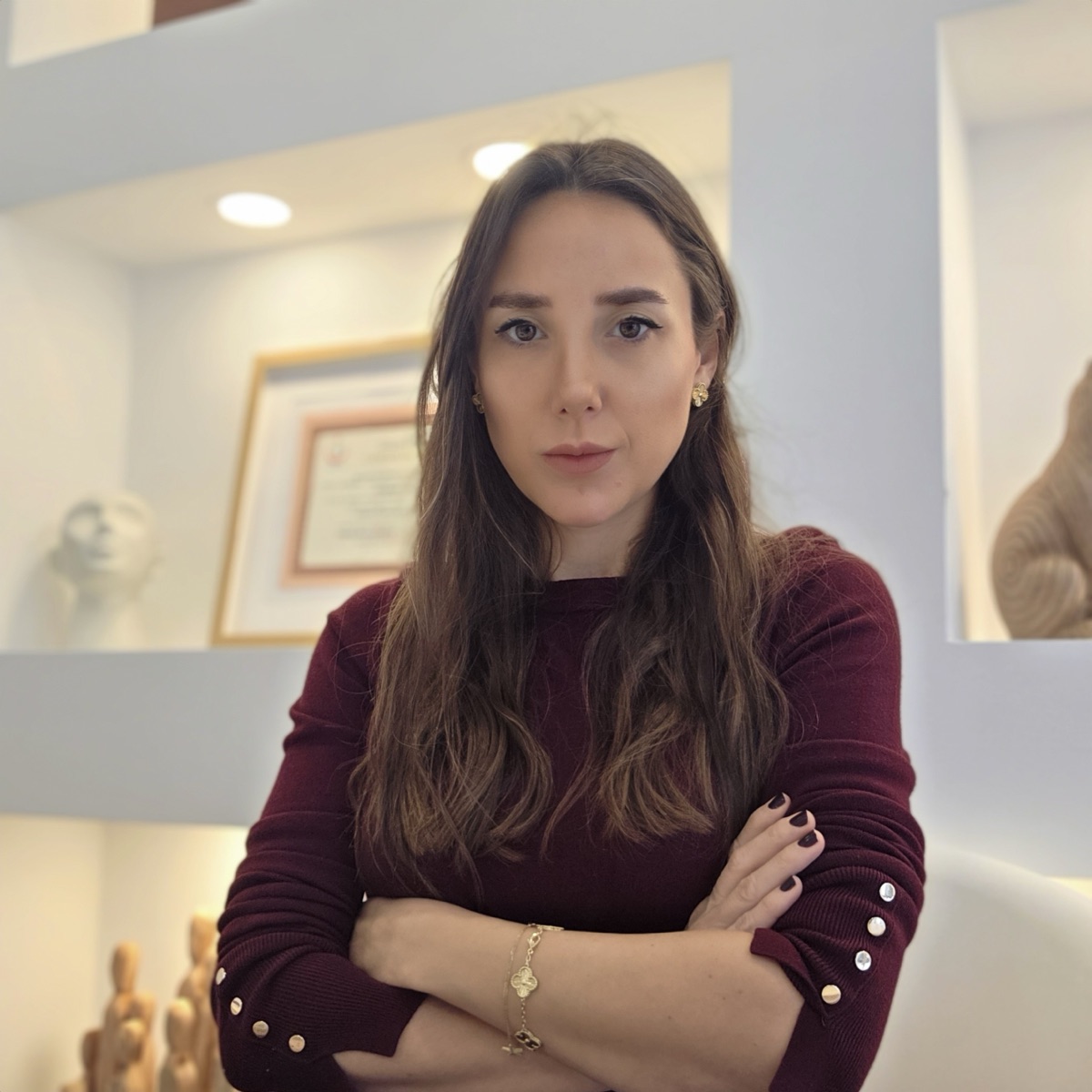
Op. Dr. Yasemin Aydınlı
Plastic, Reconstructive and Aesthetic SurgeonOffers personalized aesthetic solutions with a priority on naturalness and balance.