Some beliefs are repeated so often that they are taken for truth. Some are harmless; others directly interfere with healing. Let us take eight of them one by one — for each, why it is wrong and what the reality is.
Myth 1: “You can't have surgery in summer”
Not true. The season itself is not an obstacle to any surgical procedure. The operating room is a climate-controlled environment.
What becomes harder is the post-operative period: heat can slow the resolution of swelling, the compression garment makes you sweat, and the sun threatens the scar. All three are manageable issues — not absolute barriers.
The reality: the decision should rest not on the season but on the time you can set aside for recovery and on your compression and sun-protection routine.
Myth 2: “The sun dries out the scar, it does it good”
Quite the opposite. This is the most harmful belief on the list.
Healing tissue is more sensitive to ultraviolet light than normal skin. An unprotected scar can darken permanently — this is called hyperpigmentation, and correcting it afterwards is far harder than preventing it.
The reality: the scar should be protected from the sun for at least 12 months. At the beach, sunscreen is diminished by sweat and water, so physical covering is more reliable.
Myth 3: “I'm sweating, so I can take the compression garment off”
Not true. Compression is a component of treatment that helps swelling resolve under even pressure — it is not a comfort accessory.
After a tummy tuck, the garment is generally advised to be worn continuously, day and night, for at least 3–4 weeks. Stopping early can prolong swelling and prevent the skin from settling into its new contour.
The reality: the answer is not to remove the garment but to use a thin cotton layer underneath, a spare garment and daily washing.
Myth 4: “I've put on a waterproof dressing, so I can go in the sea”
Not true. A waterproof dressing does not remove the microbial load of sea or pool water. Leakage at the edges of the dressing is also possible.
The real issue is not contact with water but the mechanical fragility of healing tissue and its openness to infection.
The reality: the waiting time depends on how the incision is healing — 4–6 weeks for most procedures, 6–8 weeks after rhinoplasty. A dressing cannot shorten it.
Myth 5: “Swelling goes down if you drink less water”
False, and harmful. Restricting fluids after surgery does not reduce swelling.
Adequate fluid intake is part of both wound healing and lowering the risk of clots. Restricting fluids makes recovery harder.
The reality: what reduces swelling is the compression garment, elevating the legs, frequent short walks and not overdoing salt.
Myth 6: “The swelling goes down in a month and I'll see the result”
Incomplete. Most of the swelling subsides over the first months — but that is not the final result.
Tissue takes between 6 months and a year to settle completely. Judging the result from how things look at one month is premature and usually creates needless anxiety.
The reality: the contour takes its final form at 3–6 months and the scar at 12 months.
Myth 7: “Sea water is good for a wound”
Not true for a fresh surgical wound. Salt water may help in some superficial skin conditions, but for a healing incision it carries a risk of irritation and infection.
Sand, too, brings mechanical irritation and contamination to the incision site.
The reality: you should stay out of the sea and the pool until the incision has closed completely.
Myth 8: “Infection risk rises sharply in summer”
Overstated. The risk of surgical site infection does not change appreciably with the season.
What is seen more often in the summer months is not infection but skin irritation and fungal infection — largely because of sweating under the compression garment.
The reality: a daily shower, clean dry clothing and a spare compression garment largely remove this risk.
Frequently Asked Questions
Where can I verify this information?
My doctor told me something different — which should I follow?
Is everything I read online wrong?
Does the compression garment really make a difference?
My swelling is lasting a long time — is something wrong?
This content is for general information only and does not replace medical advice. Every person is different; suitability and the process can only be determined by a personal examination and consultation.
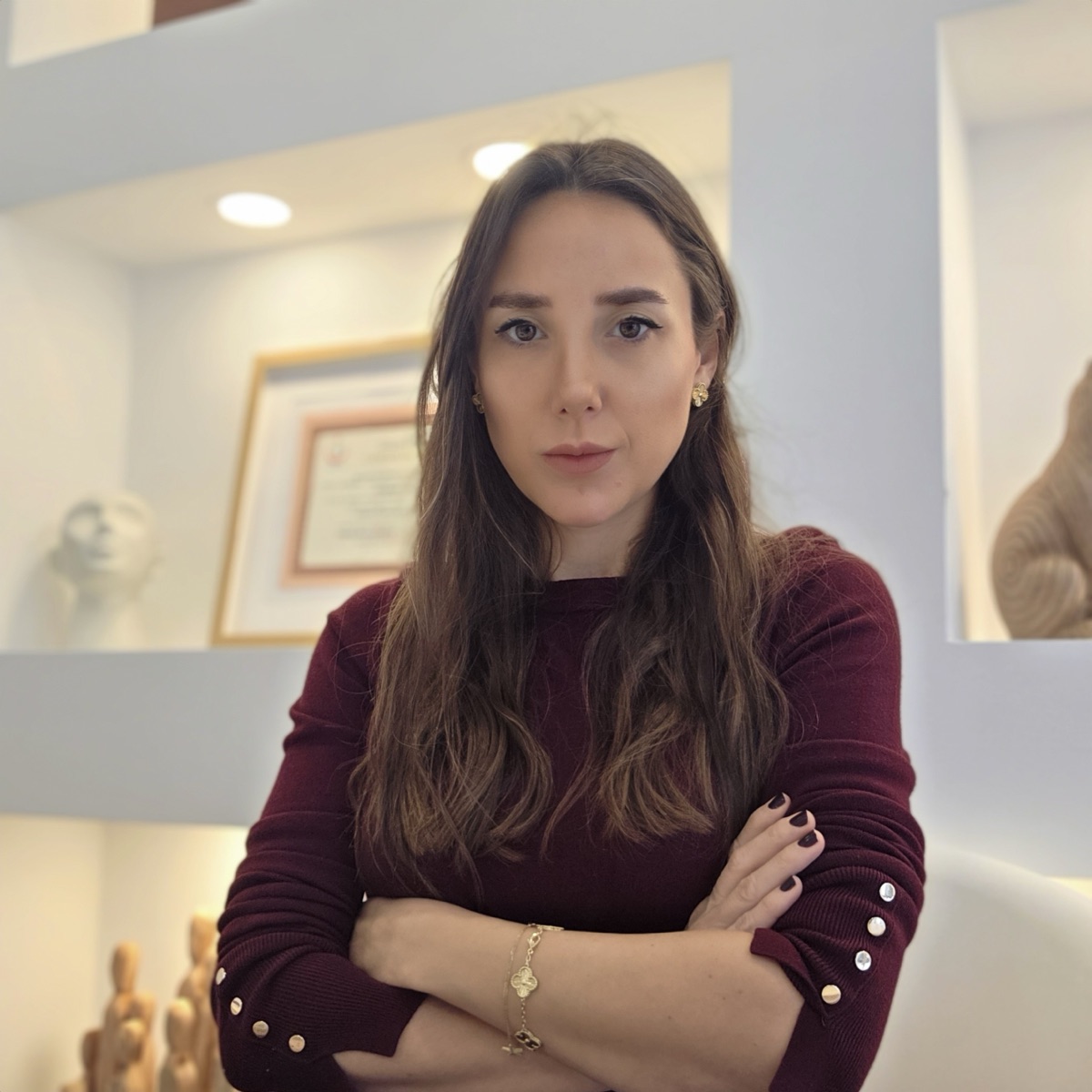
Op. Dr. Yasemin Aydınlı
Plastic, Reconstructive and Aesthetic SurgeonOffers personalized aesthetic solutions with a priority on naturalness and balance.