What is combined aesthetic surgery?
Combined aesthetic surgery means performing more than one procedure in a single session. The best known example is the mommy makeover: combining breast surgery (augmentation or lift) with a tummy tuck, often together with liposuction. The advantage is a single anaesthetic, a single recovery and a holistic result. But because operative time and the load on the body increase with each added procedure, planning and safety become central.
Is combined surgery (mommy makeover) safe?
In the right patient, with the right planning and an experienced team, combined procedures can be performed safely. It is not a simple yes/no — safety depends on patient selection, pre-operative assessment, total operative time, clot (embolism) prevention and anaesthetic management. When these are handled carefully, the risk is significantly reduced.
What are the risks?
Like any surgery, combined procedures carry risks, some of which can rise as operative time lengthens:
- Clots in the leg veins and pulmonary embolism (venous thromboembolism) — the most closely watched risk.
- Bleeding, infection and wound-healing problems.
- Anaesthesia-related risks and a longer recovery.
Anticipating and preventing these risks is central to the work — indeed, it is the focus of my academic research.
What determines safety?
- Patient selection: detailed pre-operative assessment including general health, heart, blood values, smoking, weight and clot-risk scoring.
- Time management: keeping the total operative time planned and limited.
- Clot prevention: mechanical measures, early mobilisation and, in suitable cases, blood thinners (LMWH).
- Anaesthesia: an experienced anaesthesia team and careful perioperative monitoring.
- Setting: an accredited, fully equipped operating theatre.
- Follow-up: structured, uninterrupted follow-up after surgery.
Who is not a good candidate for combined surgery?
Combined surgery may be postponed, or the procedures staged, for people with uncontrolled chronic illness, high clot risk, active smoking, or whose overall condition is not suited to several procedures at once. The aim is always safety first, aesthetic result second.
How is safety ensured for international patients?
For patients travelling from abroad, an additional consideration is managing complications that may develop after returning home. A safe pathway includes a detailed online assessment, an adequate stay in Istanbul, a check-up before departure, and remote follow-up afterwards — with coordination with a local doctor when needed. This is also a topic of my congress presentations.
My work in this field
I have a peer-reviewed publication on anaesthetic management and perioperative outcomes in combined body-contouring procedures (Aesthetic Plastic Surgery, 2026), and national and international congress presentations on combined-surgery safety and complication management in medical tourism. One principle stays at the centre of my approach: safety first.
Frequently Asked Questions
How many procedures are combined in a mommy makeover?
Usually breast surgery with a tummy tuck, often together with liposuction. The scope depends on your health and total operative time.
Is combined surgery riskier than a single procedure?
Some risks can rise as operative time increases; but with the right patient selection and precautions it can be performed safely.
How is the clot (embolism) risk reduced?
Through clot-risk scoring, early mobilisation, mechanical measures and, in suitable cases, blood thinners.
I'm coming from abroad — how many days should I stay?
Combined procedures usually need a slightly longer program; details are confirmed in the online assessment.
About the Author
Op. Dr. Yasemin Aydınlı is a graduate of Hacettepe University English Medical Faculty and completed her specialty training in Plastic, Reconstructive and Aesthetic Surgery at Ankara University Faculty of Medicine. She works in aesthetic and reconstructive surgery in Istanbul; her main interests include patient safety in combined body contouring, mommy makeover, and breast and abdominal procedures.
This content is for general information only and is not a substitute for medical advice. Every patient is different; suitability and the process can only be determined through a personal examination and consultation.
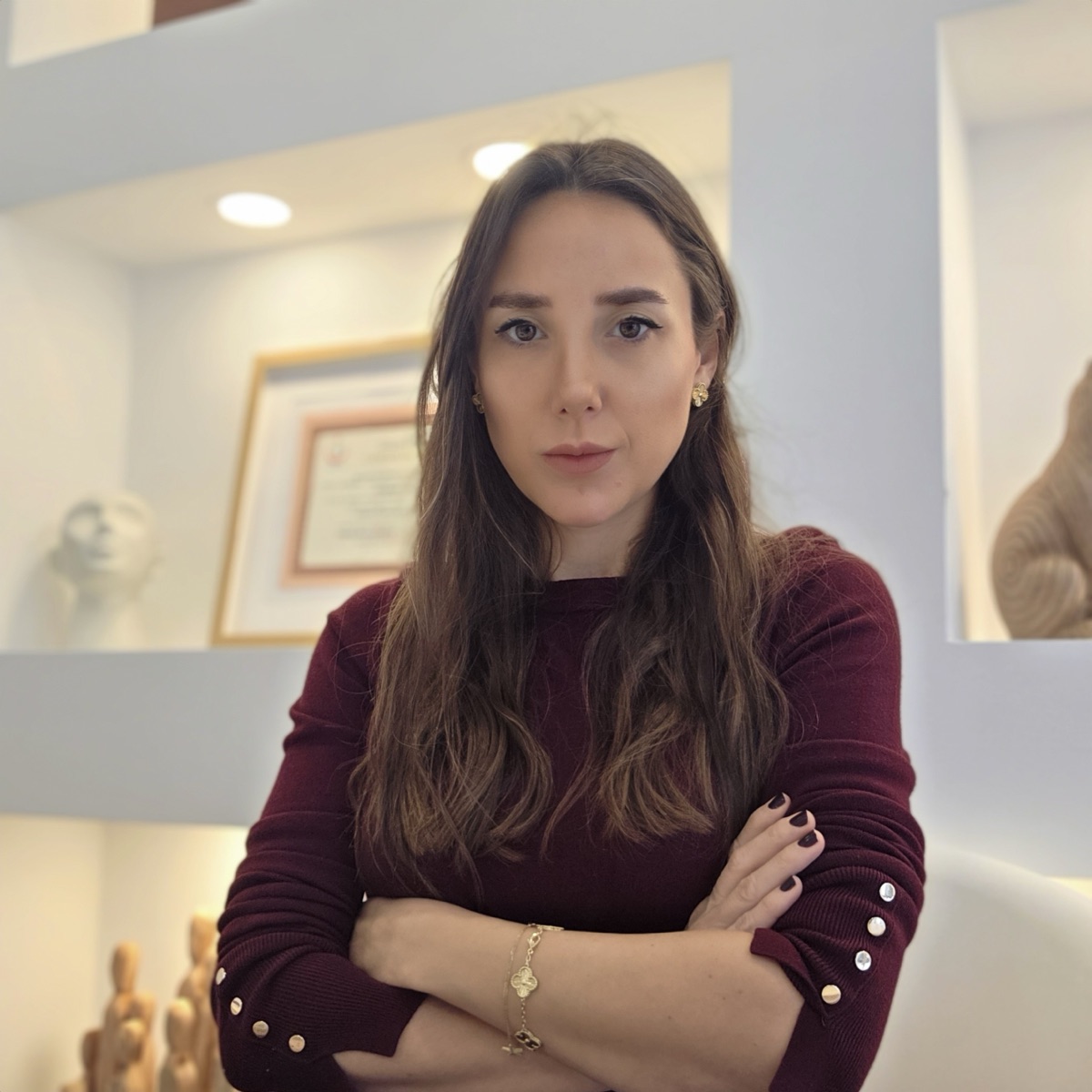
Op. Dr. Yasemin Aydınlı
Plastic, Reconstructive and Aesthetic SurgeonOffers personalized aesthetic solutions with a priority on naturalness and balance.