Breast augmentation is an aesthetic surgery performed using a breast implant to increase the volume and improve the shape of the breast. Which implant is used, through which incision and in which plane it is placed are determined according to the person, their expectations and the existing tissue. The goal is not an exaggerated look, but a result that is proportionate to the body and natural.
How is breast augmentation performed?
Three factors are decisive together in planning: implant type (size, profile and shape suited to the tissue structure), placement plane (positioning the implant under or over the chest muscle) and incision site (options such as the inframammary fold or around the nipple). These choices are considered together rather than one by one, because the right result comes from their harmony. There is no standard recipe — planning is done individually for each patient.
Who is it suitable for?
People who feel their breasts are small, who have lost volume after pregnancy and breastfeeding or weight loss, or who have noticeable asymmetry between the two breasts can be evaluated for breast augmentation. Suitability is determined by considering breast structure, skin quality, expectations and general health together. A realistic expectation is one of the most important parts of the process.
Are breast implants safe?
The breast implants used today are medical products that have been studied and regulated for a long time. Like any surgical procedure, implant surgery also has risks (such as infection, capsular contracture and implant-related problems); these risks are reduced with proper planning, appropriate implant selection and regular follow-up. It should be known from the outset that implants are not guaranteed for life and may require monitoring or replacement over time.
Will there be a scar, and does it affect breastfeeding?
As with any surgical procedure, breast augmentation also leaves a scar; however, this is usually a short scar that in the vast majority of cases heals very well and is placed discreetly, in an area that is kept as hidden as possible. Its location and length vary according to the chosen incision and tend to fade over time. Breast augmentation generally does not negatively affect breastfeeding; the techniques used aim to preserve breastfeeding function. Even so, individual predisposition can be decisive in breastfeeding; therefore it is important for patients planning pregnancy to discuss the matter before surgery.
What is the recovery process like?
In the first days, swelling and tenderness are normal and a support bra is worn; most patients return to daily life within 1–2 weeks; heavy sports and strenuous activities begin gradually at 4–6 weeks; the settled, final result becomes apparent over a few months. The timeline varies by person and the technique used.
Frequently Asked Questions
Where is the breast implant placed?
The implant can be placed under or over the chest muscle. The choice is determined by evaluating the existing tissue thickness, expectations and the structure of the breast together.
Do breast implants last a lifetime?
Implants are not guaranteed for life; they may require monitoring or replacement over time. Regular follow-up is important.
Can I breastfeed after breast augmentation?
Breast augmentation generally does not prevent breastfeeding; the techniques used aim to preserve breastfeeding function. Breastfeeding may still vary depending on individual predisposition, so if you are planning a pregnancy it is helpful to discuss this before surgery.
When can I return to daily life?
Most patients return to daily life within 1–2 weeks; heavy activities begin gradually at 4–6 weeks. The exact timeline is determined by personal evaluation.
About the Author
Op. Dr. Yasemin Aydınlı is a graduate of Hacettepe University English Medical Faculty and completed her specialty training at Ankara University. She is a member of TPRECD and ISAPS and works in aesthetic and reconstructive surgery in Istanbul.
This content is for general information only and is not a substitute for medical advice. Every patient is different; suitability and the process can only be determined through a personal examination and consultation.
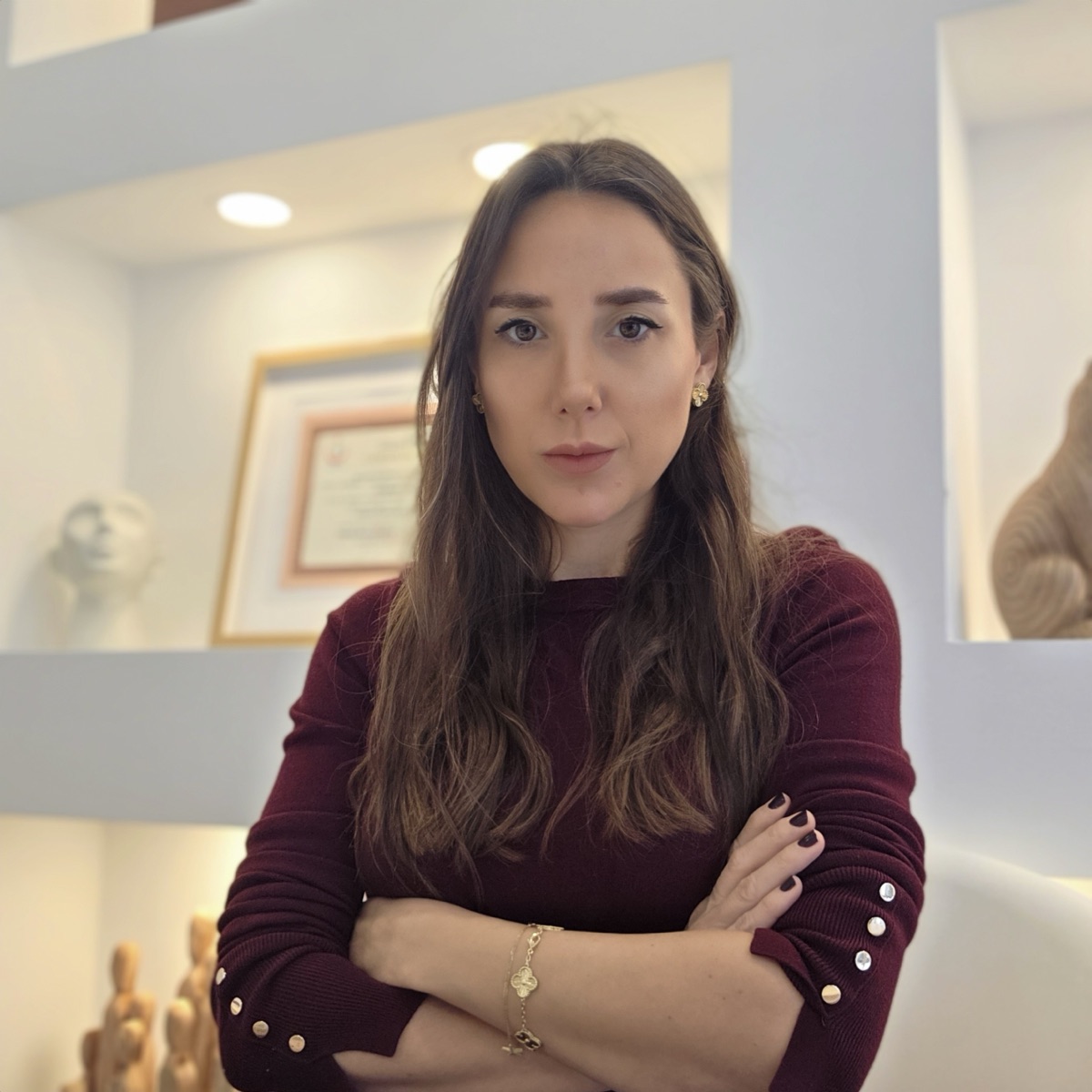
Op. Dr. Yasemin Aydınlı
Plastic, Reconstructive and Aesthetic SurgeonOffers personalized aesthetic solutions with a priority on naturalness and balance.