It is not possible to predict whether you will be able to breastfeed after breast reduction.
Surgery may reduce breastfeeding capacity. However, even if the mammary gland tissue and nipple connection are preserved, breastfeeding may not occur — this is not related to the success of the surgery.
It is also important to know that breastfeeding capacity varies from person to person, regardless of surgery. Some women who have never had surgery cannot breastfeed. In other words, there is no such guarantee before surgery.
There may also be loss of sensation in the nipple and this may be permanent.
One of the most important questions on the minds of many women considering or who have previously undergone breast reduction surgery is whether they will be able to breastfeed their baby in the future. Breastfeeding capacity after breast reduction may be affected by the surgical technique used, the amount of breast tissue preserved, the condition of nerve connections, and individual biological factors. Some women may be able to breastfeed fully, while others may achieve partial breastfeeding or require supplemental feeding support.
Is Breastfeeding After Breast Reduction the Same for Every Woman?
No. Two different women who have undergone breast reduction surgery may have completely different breastfeeding experiences. This is not only due to the technique used during surgery. Changes in breast tissue during pregnancy, hormonal factors, and the individual healing process may also affect breastfeeding capacity.
1. Delaying Breastfeeding After Birth
The first hours and days after birth are important for the initiation of milk production. The earlier the baby is placed at the breast and the more frequently the breast is stimulated, the more effectively the hormonal mechanisms supporting milk production can function. For this reason, early skin-to-skin contact and breastfeeding attempts as early as possible are encouraged.
2. Neglecting the Baby's Weight Monitoring
For mothers breastfeeding after breast reduction, focusing only on the duration of breastfeeding is not sufficient. Some babies may not receive adequate milk despite spending a long time at the breast. Therefore, regular weight monitoring, daily urine output, bowel movement patterns, and pediatric check-ups — especially in the first weeks — are of great importance.
3. Stopping Breastfeeding Entirely Because Supplemental Feeding Has Started
Some mothers may require temporary or permanent supplemental feeding support to meet their baby's needs. However, the use of supplemental feeding does not mean that breastfeeding has completely ended. Many mothers can continue breastfeeding while providing supplemental feeding support when necessary.
4. Drawing Conclusions Based on the Amount of Milk Obtained by Pump
The amount of milk obtained by pumping does not always reflect the true milk production capacity. Some babies can empty the breast much more effectively than a pump. Therefore, concluding that milk production is insufficient based solely on the amount of milk extracted by pumping may not be accurate.
5. Believing That Breastfeeding Is Definitely Impossible
Having undergone breast reduction surgery does not mean that breastfeeding will definitely be impossible. Some women may achieve full breastfeeding while others may achieve partial breastfeeding. It is often not possible to predict breastfeeding potential with certainty in advance.
How Can the Chances of Breastfeeding After Breast Reduction Be Increased?
Early breastfeeding attempts after birth, frequent breast stimulation, regular pediatric check-ups, and seeking lactation consultation support when needed can help manage the breastfeeding process more effectively. Since the needs of every mother and baby are different, the process should be evaluated individually.
Result
The topic of breastfeeding after breast reduction is different for every woman. Although breastfeeding capacity may be affected by the surgical technique used, surgery is not the only determining factor. Setting realistic expectations, accessing accurate information, and seeking professional support when needed can help manage the breastfeeding process more healthily.
About the Author
Op. Dr. Yasemin Aydınlı is a graduate of Hacettepe University English-medium Faculty of Medicine. She completed her specialization training in Plastic, Reconstructive and Aesthetic Surgery at Ankara University Faculty of Medicine. She practices aesthetic and reconstructive surgery in Istanbul, with breast reduction, breast augmentation, breast lift, abdominoplasty, and body contouring surgeries among her primary areas of interest.
This article has been prepared for informational purposes and does not substitute for medical advice. Each patient's anatomical features, health status, and expectations are different. Treatment options and eligibility assessment can only be determined after a personal examination.
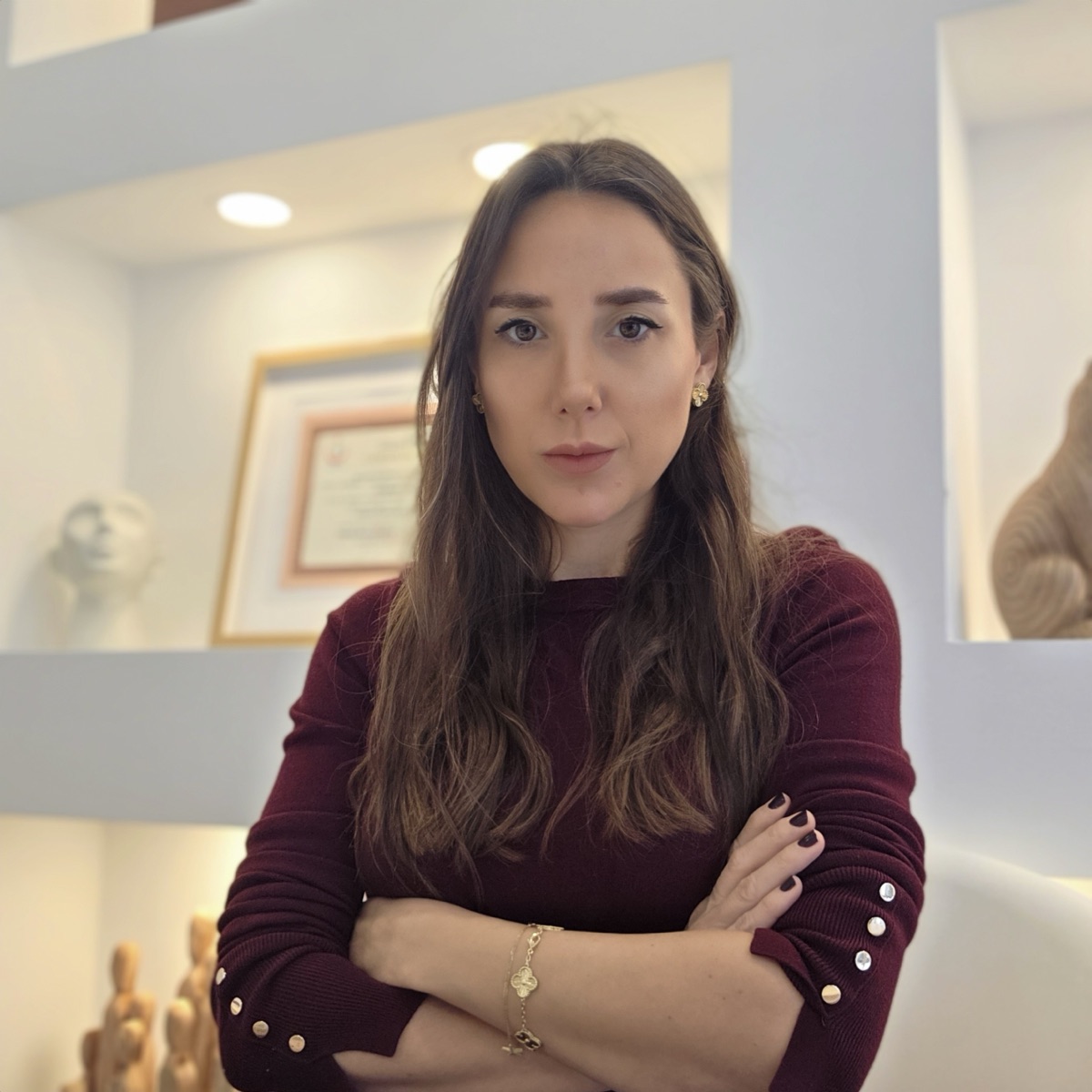
Op. Dr. Yasemin Aydınlı
Plastic, Reconstructive and Aesthetic SurgeonOffers personalized aesthetic solutions with a priority on naturalness and balance.