Short answer
- The weight is expected to stay stable for at least three to six months. After obesity surgery, clinical practice usually means waiting 12–18 months.
- What is decisive is not the calendar but the fact that the scales have stopped moving.
- In patients with a stable weight, the risk of complications was found to be markedly lower (odds ratio 0.24).
- There is no absolute weight threshold; a BMI over 30 is not on its own an obstacle , and the decision is made individually for each patient.
- In those using weight-loss injections, the plan for stopping the drug should be discussed before the surgical plan.
This is the question patients who have completed their weight-loss process ask most often. When skin laxity appears, it is only natural to want it solved as soon as possible. But in these operations timing determines the result as much as the technique itself — and this is not a matter of personal preference, it is something measured in the literature.
How many months after losing weight is surgery performed?
The proven threshold is that the weight stays stable for at least three to six months.
After obesity surgery, clinical practice usually means waiting 12–18 months; this is the period in which the weight settles by itself in most people, though it varies from person to person. In a patient whose weight still moves by a few kilos a month, surgery is technically possible but the result is unpredictable.
What happens if surgery is done before the weight has stabilised?
Two problems arise: the result deteriorates and the risk of complications increases.
The first is aesthetic. If you keep losing weight after surgery, new skin sags in place of the skin that was removed. The second, and more important, is safety.
In a Dutch study published in the journal Obesity Facts, patients who had body-contouring surgery after obesity surgery were reviewed retrospectively. In patients whose weight had been stable for at least 3 months before surgery, the risk of complications was found to be markedly lower (odds ratio 0.24; 95% confidence interval 0.07–0.79). The study is a retrospective series of 43 patients — a small group, but the finding is statistically significant.
What is the complication rate in surgery after weight loss?
In the same study, the overall complication rate was 27.9% and the serious complication rate 8.8%.
A meta-analysis published in the Journal of Plastic, Reconstructive & Aesthetic Surgery , meanwhile, found the risk of complications in patients who had undergone obesity surgery to be 60–87% higher than in those who lost weight by dieting. In the same analysis, a sub-analysis in which the patient groups were mixed showed no significant difference — so the picture is not one-sided. Even so, the general tendency is that rapid and large weight loss strains the tissue.
There is no point in hiding these rates: it is precisely these numbers that answer the question "why do we wait".
Is it necessary to reach a certain weight for surgery?
There is no strict threshold, and the literature itself has changed on this point.
In 2008, a review in the Aesthetic Surgery Journal that screened 80 articles listed as a consensus recommendation that the body mass index should ideally be below 32, that smoking should be stopped, that a nutritional assessment and anaemia screening should be carried out, and that anticoagulant precautions should be taken.
A systematic review and meta-analysis published in Aesthetic Plastic Surgery in 2024 softened this threshold: obesity increases seroma (fluid collection), haematoma and wound problems, but the risk does not rise continuously as the degree of obesity increases, and a BMI above 30 should not on its own be regarded as an absolute obstacle. The decision is made individually for each patient.
Is the situation different for those using a weight-loss injection?
There is no absolute obstacle, but it changes the planning.
In the extension arm of the semaglutide trial (STEP 1), participants were followed for one year after treatment was stopped. The weight loss, which averaged 17.3% at 68 weeks, fell to a net 5.6% a year later: patients regained about two thirds of the weight they had lost. Two details matter — during this period the lifestyle support was withdrawn along with the drug, and the analyses were exploratory in nature.
What this means for the decision to operate is this: weight lost with a drug is stable for as long as the drug and the routine continue. If you are thinking of stopping treatment, this needs to be discussed before the surgical plan.
Does the weight-loss injection burn muscle?
There is some loss of lean tissue, but this is not specific to the injection.
When weight is lost rapidly, the body does not lose fat alone. But the same happens with obesity surgery and with a rapid diet. What causes this is not the drug, but rapid weight loss itself.
One reason the measurements vary so much between studies is this: "lean mass" covers not only muscle but also the organs, the bones and the water in the tissue — not every loss measured means a loss of muscle. A review published in Diabetes, Obesity and Metabolism states that, according to new MRI-based data, the reduction in muscle volume remains at the level expected for the weight lost; in older people and those with additional illnesses, however, it advises caution regarding muscle wasting.
Is surgery safe while using the injection?
There is not yet enough data on this.
In a study published in Aesthetic Plastic Surgery in 2025, 21 patients using semaglutide were compared; no difference was found in major complications, and bruising and discolouration were seen somewhat more often, but this difference did not reach statistical significance. Twenty-one patients is too few for a firm judgement. The correct sentence today is this: not "someone using the injection cannot have surgery", but "the planning has to take it into account".
Detailed guide to weight-loss injections →What should I do while waiting for surgery?
Correct your blood values, meet your protein target, stop smoking and do resistance exercise.
This time is not wasted; it is a preparation period.
A review published in the journal Nutrients reports that patients after obesity surgery show pre-operative deficiencies in iron, zinc, selenium, vitamins and protein; that in the post-operative period vitamin and mineral intake often remains below half the recommended amount; and that adherence to supplement use stays at around 60% .
Protein is the most critical part of this picture, because it concerns wound healing directly: even mild malnutrition can delay healing by affecting the development of granulation tissue and the production of collagen, and can increase the risk of wound dehiscence. According to the same review, the guidelines recommend 60–120 g of protein a day after obesity surgery; the 2013 AACE/TOS/ASMBS guideline set the lower limit at 60 g/day. Protein status can be assessed in the blood with albumin and prealbumin.
What to do during the waiting period
- Have your blood values checked (iron, B12, vitamin D, albumin, haemoglobin)
- Correct any deficiencies found
- Meet your daily protein target
- Stop smoking
- Resistance exercise a few days a week to preserve muscle mass
Which area is operated on first?
In most plans the abdomen comes first.
After weight loss there is usually sagging in more than one area, and not all of it is done in a single session. The order is decided according to the area of greatest complaint, the length of the operation, blood loss and the burden of recovery. The abdomen comes first in most plans, because it is the area that most restricts daily life and also affects the appearance of the other areas. This order can vary from person to person; it is decided together at the examination.
In brief
Waiting is not lost time but part of the result. Surgery performed once your weight has stabilised, your blood values have improved and you have stopped smoking is both safer and longer-lasting.
References
- van der Beek ES, van der Molen AM, van Ramshorst B. Complications after body contouring surgery in post-bariatric patients: the importance of a stable weight close to normal. Obes Facts. 2011;4(1):61–66. PMID 21372612
- Hasanbegovic E, Sørensen JA. Complications following body contouring surgery after massive weight loss: a meta-analysis. J Plast Reconstr Aesthet Surg. 2014;67(3):295–301. PMID 24211118
- Colwell AS, Borud LJ. Optimization of patient safety in postbariatric body contouring: a current review. Aesthet Surg J. 2008;28(4):437–442. PMID 19083559
- Niu EF, Honig SE, Wang KE, et al. Obesity as a Risk Factor in Cosmetic Abdominal Body Contouring: A Systematic Review and Meta-Analysis. Aesthetic Plast Surg. 2024;48(11):2121–2131. PMID 37644187
- Wilding JPH, Batterham RL, Davies M, et al. Weight regain and cardiometabolic effects after withdrawal of semaglutide: The STEP 1 trial extension. Diabetes Obes Metab. 2022;24(8):1553–1564. PMID 35441470
- Neeland IJ, Linge J, Birkenfeld AL. Changes in lean body mass with glucagon-like peptide-1-based therapies and mitigation strategies. Diabetes Obes Metab. 2024;26(Suppl 4):16–27. PMID 38937282
- Albanese R, Tomaselli F, Delia G, Tambasco D. GLP-1 Agonists in Aesthetic Surgery: Implications for Perioperative Outcomes and Body Contouring Procedures. Aesthetic Plast Surg. 2025;49(17):4910–4916. PMID 40603775
- Toninello P, Montanari A, Bassetto F, Vindigni V, Paoli A. Nutritional Support for Bariatric Surgery Patients: The Skin beyond the Fat. Nutrients. 2021;13(5):1565. PMID 34066564
About the Author
Op. Dr. Yasemin Aydınlı is a graduate of Hacettepe University English Medical Faculty and completed her specialty training at Ankara University. She is a member of TPRECD and ISAPS and works in aesthetic and reconstructive surgery in Istanbul.
This content is for general information only and does not replace medical advice. Every patient's situation is different; the appropriate timing and method can only be determined through a personal examination and consultation.
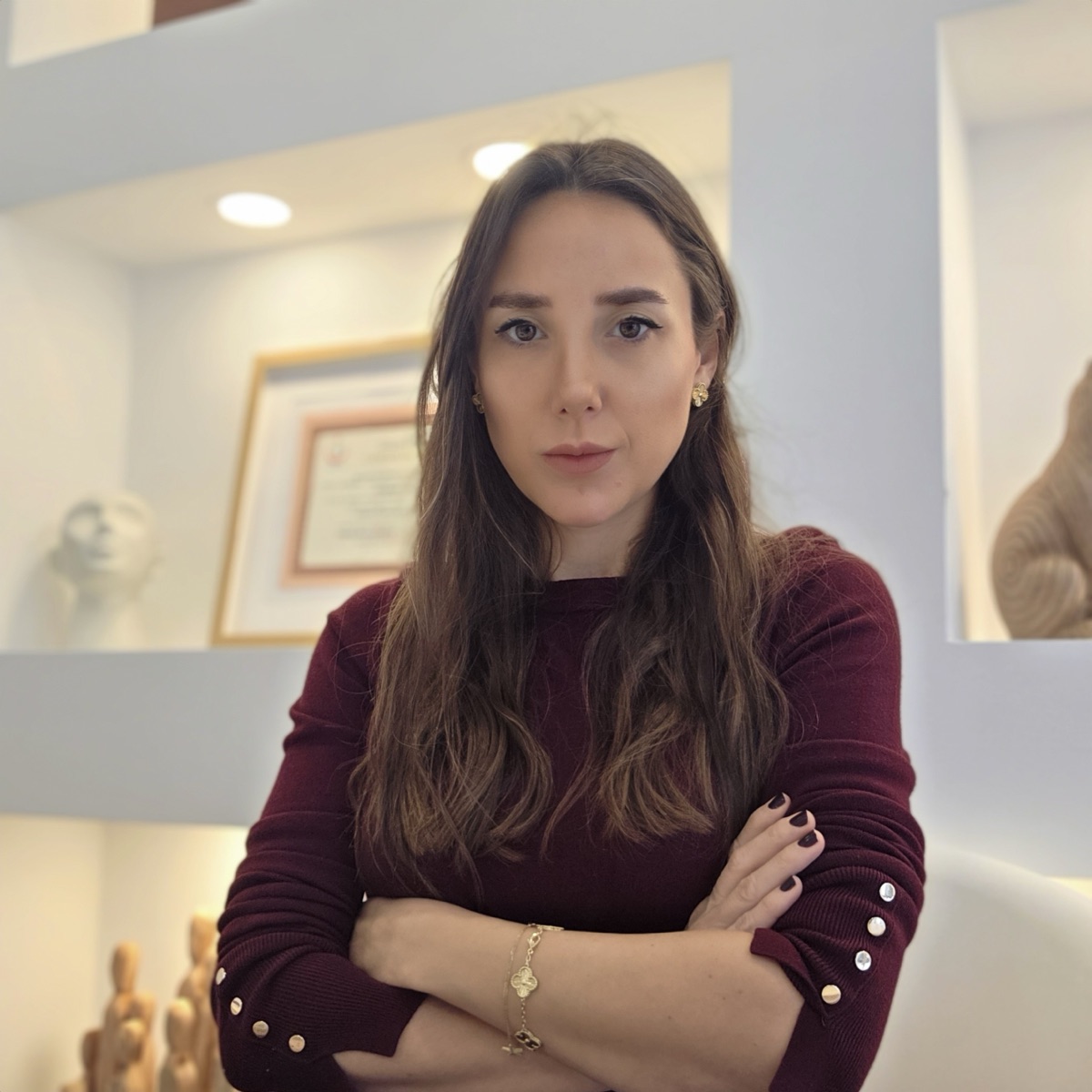
Op. Dr. Yasemin Aydınlı
Plastic, Reconstructive and Aesthetic SurgeonOffers personalized aesthetic solutions with a priority on naturalness and balance.
Frequently Asked Questions
There is no absolute obstacle, but planning must take it into account. In the extension arm of the STEP 1 trial, one year after treatment and lifestyle support were stopped, patients regained about two-thirds of the weight they had lost. For this reason, if you intend to stop the medication, this needs to be discussed before the surgical plan. As for surgical safety, there is not yet sufficient data.